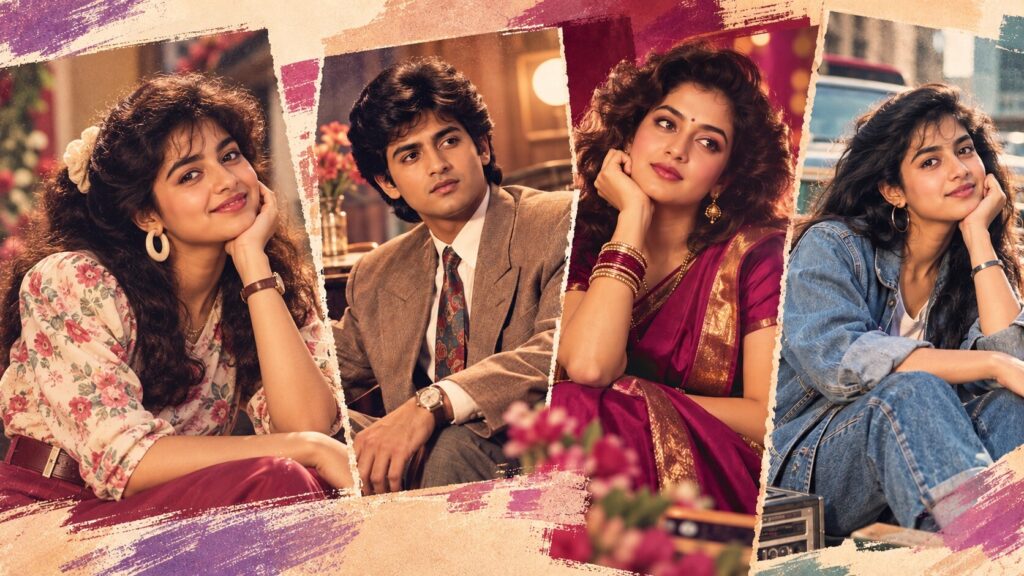

Remember the big hairstyles, colourful outfits, classic Bollywood glamour and photographs that looked as though they had been kept in a family album for decades? You can recreate that nostalgic feeling with AI image-generation tools.
The recent 1980s AI photo trend has inspired people to transform ordinary portraits into vintage-looking photographs, complete with period-inspired fashion, analogue film texture and old-school studio lighting. Instead of simply adding a filter, you can use a detailed prompt to reimagine the clothing, background, composition and photographic style.
In this guide, you will find 10 original AI photo prompts inspired by the 1980s and 1990s. The collection includes classic studio portraits, Indian retro fashion, Bollywood-inspired glamour, college photographs, family albums and candid street photography.
Each prompt is ready to copy and use with a compatible AI image generator. For the best results, upload a photograph you have permission to use when you want to preserve someone’s likeness.
Quick answer: How do you create an 80’s or 90’s AI portrait?
Upload a clear portrait to an image-generation tool, then describe the decade, hairstyle, outfit, setting, lighting and film texture you want. Ask the tool to preserve the subject’s recognisable facial features while changing the styling and environment.
For an authentic vintage appearance, combine period-appropriate details with subtle film grain, slightly faded colours, natural skin texture and lighting that suits the scene. Use a 4:5 portrait ratio for social media posts.
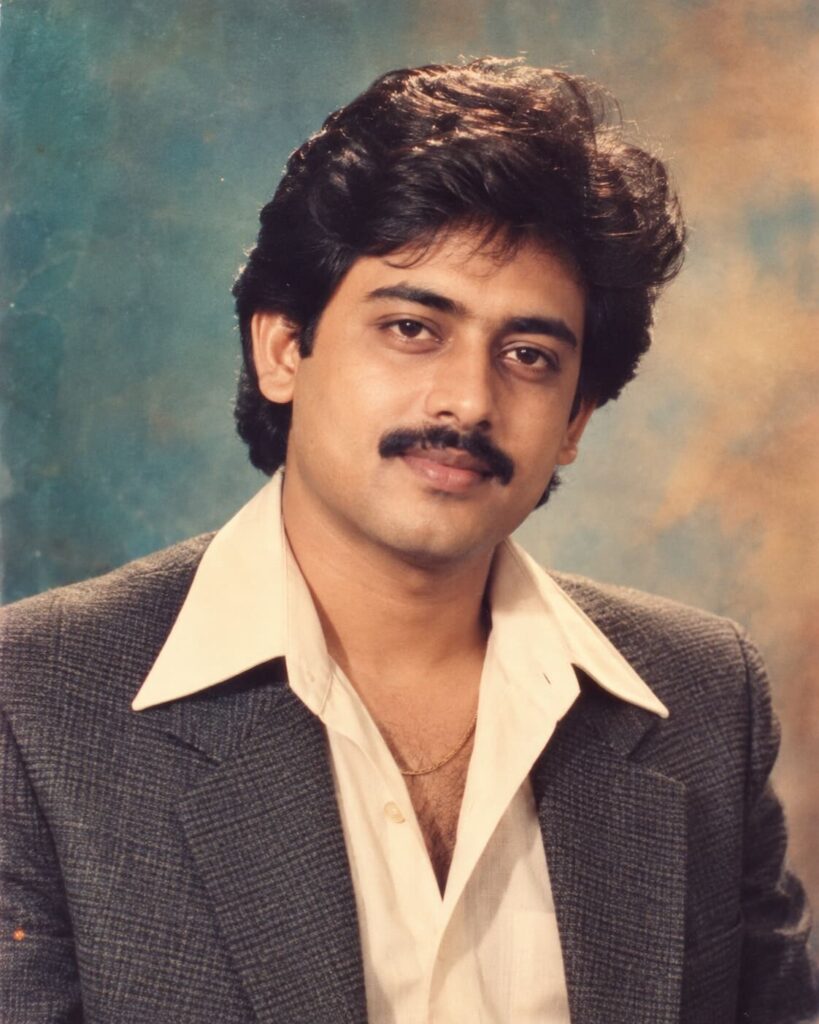
1. Classic 1980’s Studio Portrait
The traditional studio portrait is one of the most versatile retro looks. Think feathered hairstyles, structured shoulders, a simple painted backdrop and carefully arranged studio lighting.
This prompt is ideal for profile pictures, nostalgic portraits and polished social media posts.
Copy Prompt
Transform my uploaded reference photo into a photorealistic 1980s studio portrait. Preserve the subject’s recognisable facial identity, facial structure, natural skin tone, age and expression. Style the subject in authentic mid-to-late-1980s fashion with a structured blazer, a wide-collar shirt and understated period-appropriate accessories. Add a neatly styled, voluminous retro hairstyle that suits the subject naturally. Use a muted teal and warm beige painted studio backdrop, soft directional portrait lighting, gentle shadows and a natural 85mm portrait-lens perspective. Recreate the look of a carefully preserved analogue colour photograph with fine film grain, slightly faded colours, subtle highlight halation and realistic skin texture. Avoid modern clothing, contemporary accessories, excessive skin smoothing and artificial facial proportions. Vertical 4:5 portrait composition, subject centred, head and shoulders clearly visible, photorealistic.
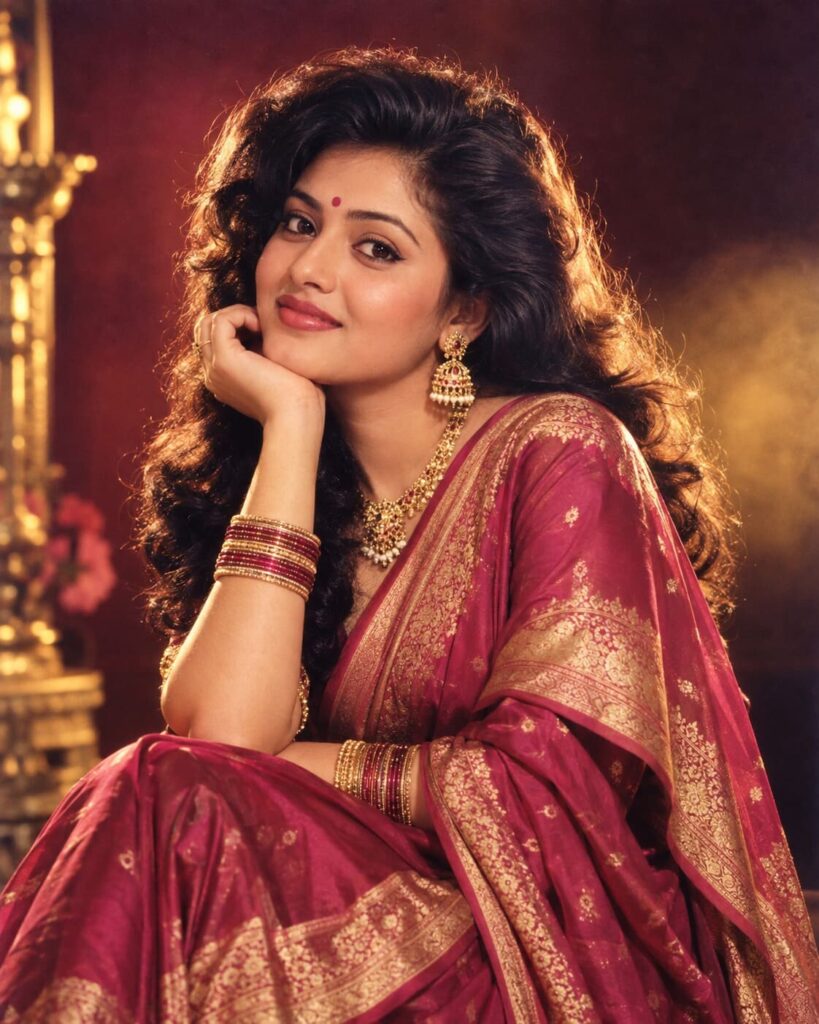
2. 1980’s Bollywood Glamour Portrait
Bring the drama of vintage Indian cinema into your portrait. This concept uses expressive poses, rich colours, traditional styling and cinematic studio light without copying a specific film star or movie poster.
Copy Prompt
Using my uploaded photo as the identity reference, create a photorealistic portrait inspired by the glamorous visual style of 1980s Indian cinema. Keep the subject recognisable, preserving natural facial proportions, skin tone, distinctive features and age. Dress the subject in period-inspired Indian fashion with rich jewel tones, elegant traditional jewellery and a beautifully draped silk or chiffon outfit appropriate to the subject. Use voluminous but believable retro hair, expressive eyes and a confident cinematic pose. Create a softly illuminated studio setting with a deep burgundy and golden-amber background, warm key lighting, gentle rim light and subtle atmospheric haze. Emulate analogue colour film, restrained grain, slightly softened highlights and the rich but imperfect colour rendering of a vintage publicity photograph. Keep the result photographic rather than illustrated, with realistic fabric texture and natural skin. No celebrity likeness, no modern luxury accessories, no plastic skin. Vertical 4:5 composition, waist-up framing.
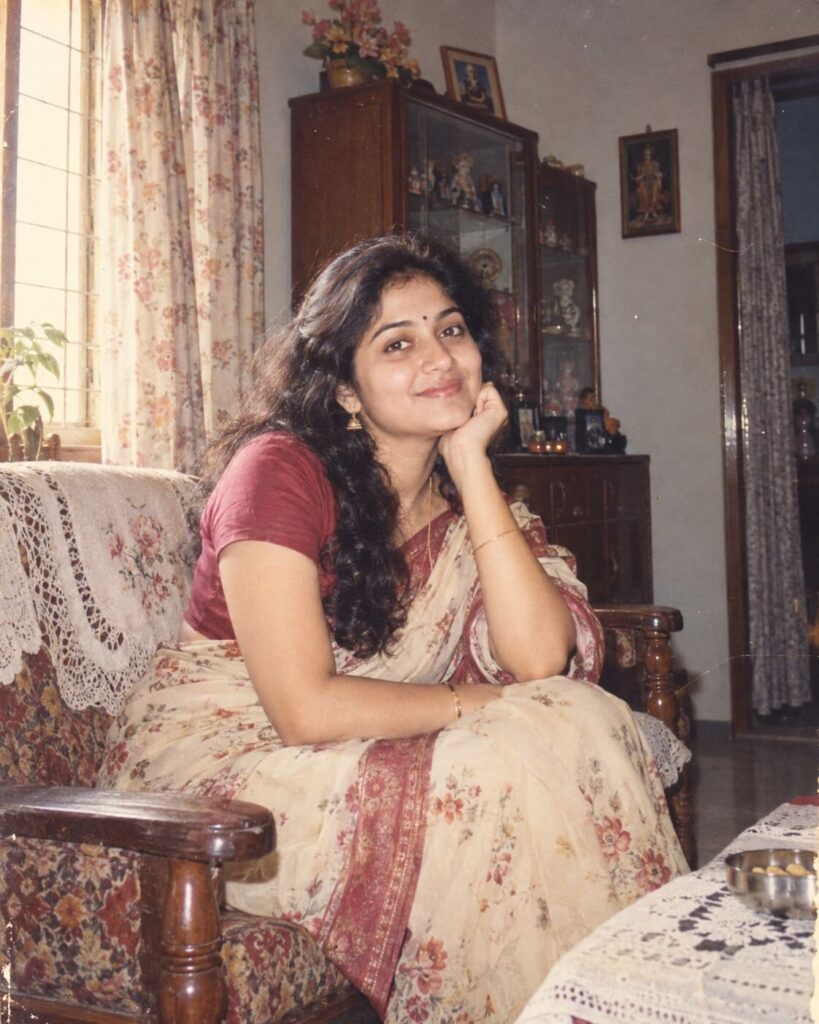
3. 1990’s Indian Family Album Photograph
Some of the most convincing vintage photographs look ordinary rather than glamorous. Recreate a relaxed moment at home with natural expressions, familiar surroundings and the imperfect charm of a printed family photograph.
Copy Prompt
Reimagine my uploaded reference photo as a candid Indian family-album photograph taken around 1994. Preserve the subject’s recognisable identity, facial structure, natural age and authentic expression. Give the subject simple, period-appropriate 1990s everyday clothing and place them in a modest, welcoming Indian living room with a wooden cabinet, patterned curtains and a few understated household details. Capture a relaxed, slightly imperfect pose as though a family member took the photograph during an ordinary afternoon. Use gentle window light mixed with mild on-camera flash, realistic shadows and the perspective of a consumer 35mm film camera. Apply subtle colour fading, fine analogue grain, slightly warm highlights, soft contrast and a faint print-scan texture. Keep the room believable and uncluttered. Avoid modern electronics, contemporary furniture, excessive cinematic grading and artificial skin smoothing. Vertical 4:5 photograph, natural composition, authentic nostalgic mood.
4. 1990’s College Student Portrait
This look recreates the casual energy of the 1990s: denim jackets, relaxed shirts, simple accessories and the kind of portraits that might have appeared in an old college yearbook.
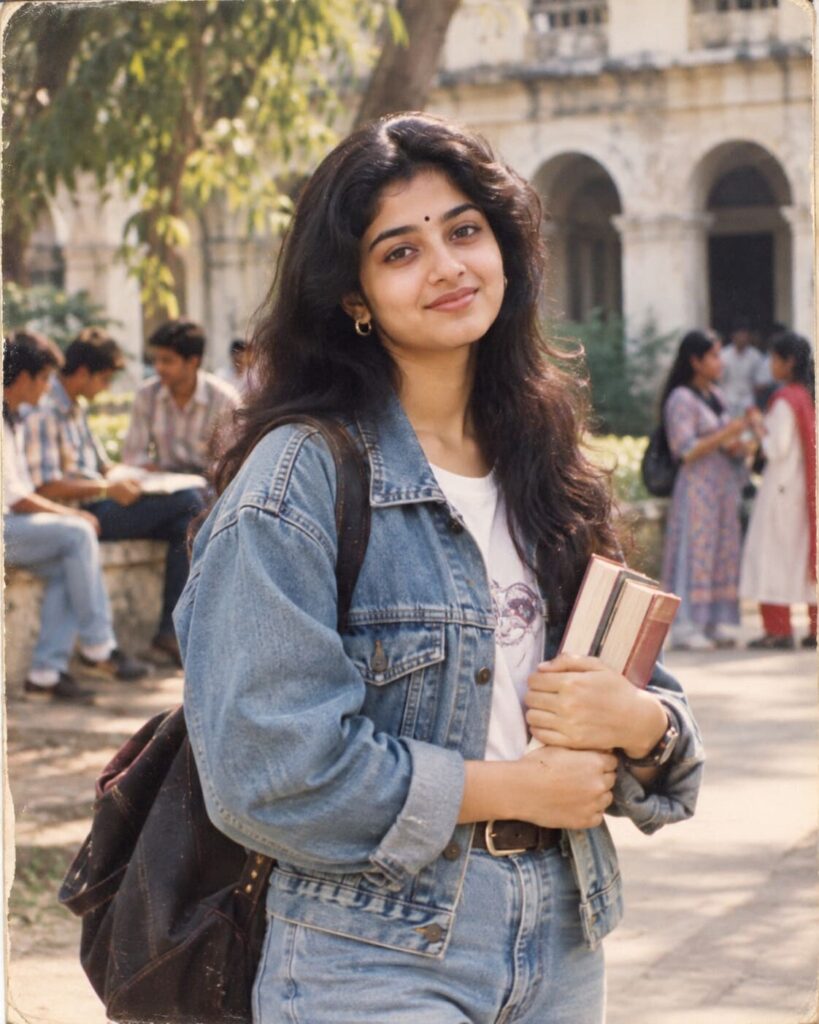
Copy Prompt
Transform my uploaded reference image into a realistic 1990s college-era portrait. Retain the subject’s recognisable facial identity, facial proportions, natural skin tone and age. Dress the subject in authentic early-to-mid-1990s student fashion, such as a relaxed denim jacket, a plain cotton T-shirt, high-waisted jeans and simple period-appropriate accessories. Use a natural hairstyle suited to the subject and a casual, confident expression. Place the subject on an old college campus with slightly weathered walls, a leafy courtyard and a few softly blurred students in period-appropriate clothing in the background. Photograph the scene in soft afternoon daylight with a consumer 35mm film-camera look, moderate depth of field, slightly muted greens, warm skin tones and delicate film grain. Include subtle imperfections associated with a scanned colour print while keeping the face sharp and natural. Exclude smartphones, modern streetwear logos and contemporary campus technology. Vertical 4:5 portrait, three-quarter framing, documentary realism.
5. 1980’s Indian Retro Fashion Portrait
A retro fashion portrait combines traditional Indian clothing with the colours, silhouettes and photographic techniques associated with the decade. This concept is especially suited to sarees, statement jewellery and vintage editorial styling.
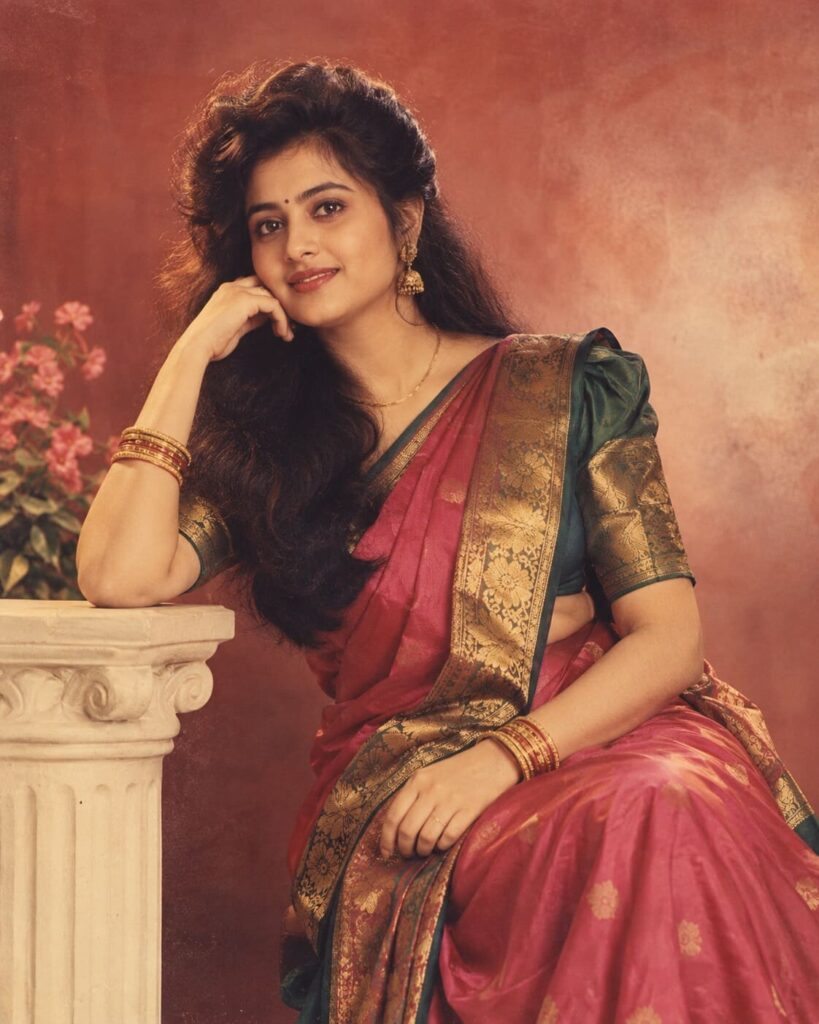
Copy Prompt
Create a photorealistic Indian retro-fashion portrait based on my uploaded reference photo. Preserve the subject’s recognisable facial identity, natural facial proportions, skin tone and age. Style the subject in an elegant 1980s-inspired Indian outfit with rich fabric colours, a distinctive silhouette, period-appropriate jewellery and carefully arranged folds and textures. Use a hairstyle inspired by the era while keeping it natural and suitable for the subject. Position the subject in a confident editorial pose against a simple studio backdrop with muted terracotta, dusty rose and cream tones. Use soft directional light, gentle shadow falloff and a subtle warm film colour cast reminiscent of vintage Indian fashion photography. Include fine grain, restrained highlight bloom and realistic fabric detail without making the photograph excessively faded. Avoid modern fashion accessories, exaggerated facial features and digitally airbrushed skin. Vertical 4:5 composition, mid-length portrait, premium vintage editorial photography.
6. 1990’s Denim Street-Style Portrait
Move away from the studio and into the street. Oversized denim, casual layers, old shopfronts and direct daylight help create the feeling of a candid photograph taken in the 1990s.
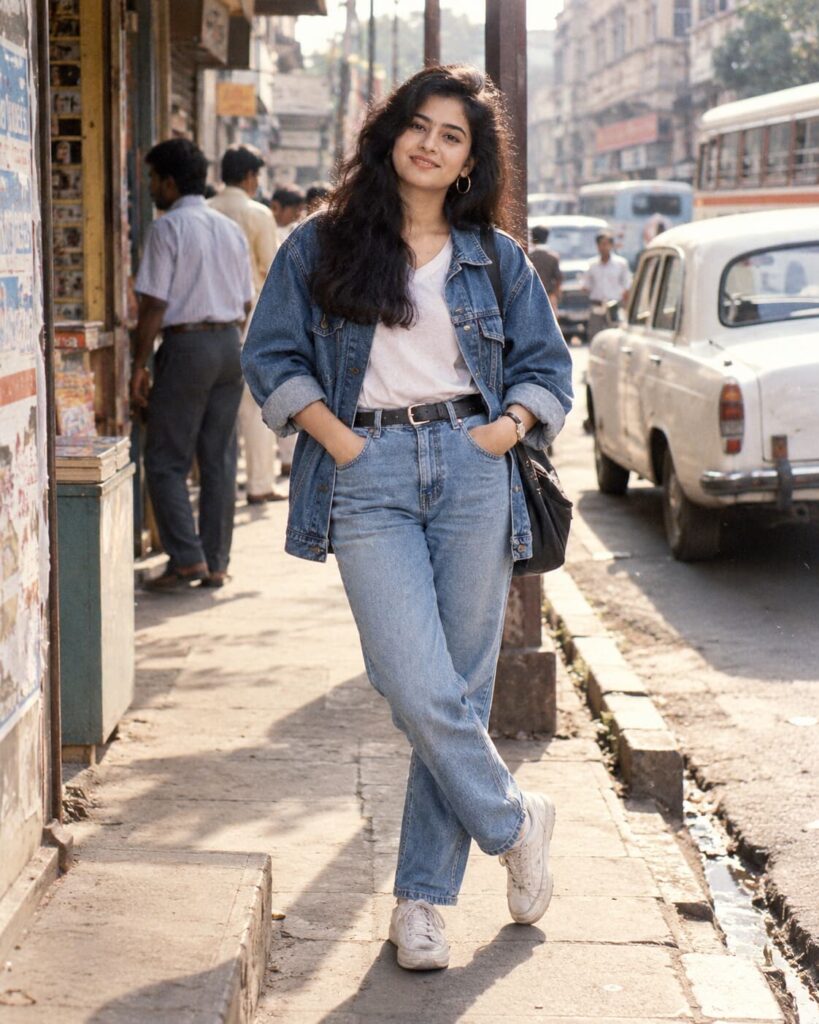
Copy Prompt
Recreate my uploaded reference photo as an authentic-looking 1990s street-style photograph. Keep the subject’s recognisable face, facial structure, natural skin tone and age unchanged. Dress the subject in relaxed 1990s casual fashion: a slightly oversized denim jacket, a plain T-shirt, high-waisted jeans and simple trainers or period-appropriate shoes. Give the subject an easygoing pose, as though pausing for a photograph on a lively Indian city street in 1996. Use weathered shopfronts, old signboards, parked period-appropriate vehicles and pedestrians softly blurred in the background. Capture natural daylight with a consumer film-camera perspective, imperfect framing and realistic depth of field. Apply restrained 35mm film grain, mildly faded colours, slightly lifted shadows and natural contrast. Keep the environment historically plausible without legible invented brand names or modern vehicles. Avoid contemporary fashion logos, smartphones and excessive cinematic effects. Vertical 4:5 portrait, full-body or three-quarter framing, candid documentary feel.
7. 1980’s Bengali Retro Portrait
Celebrate the distinctive warmth of an old Bengali portrait. Traditional clothing, a lived-in home setting and soft window light create a nostalgic image without relying on exaggerated stereotypes.
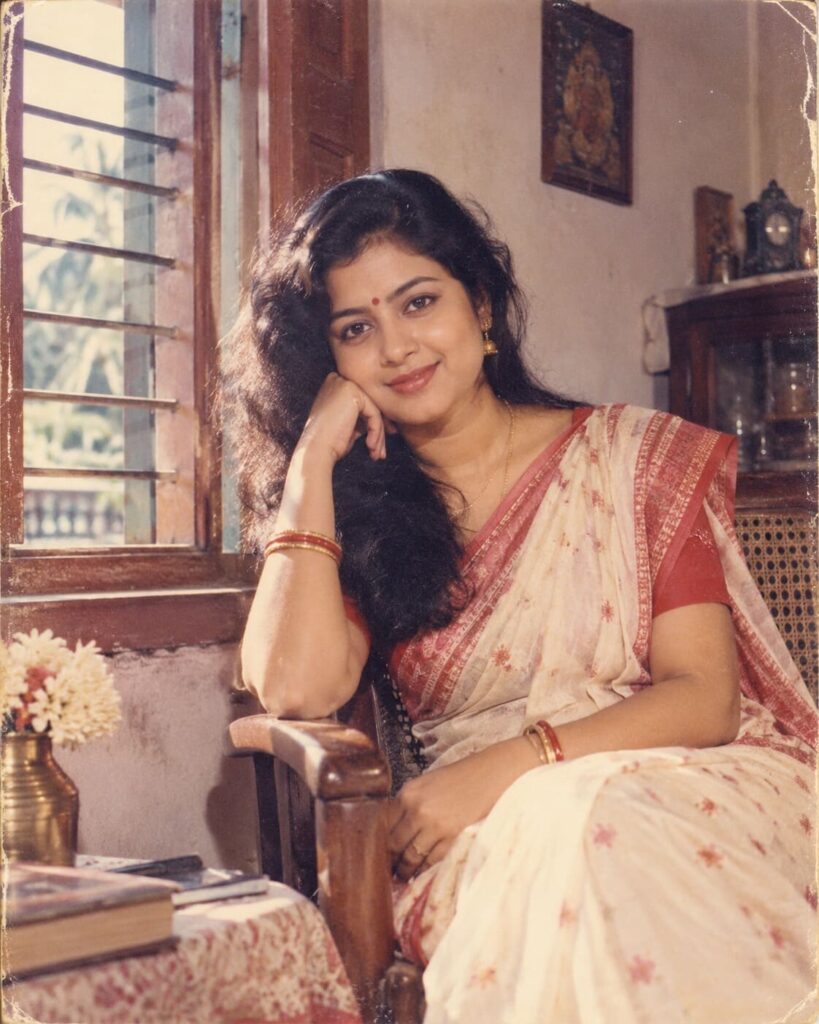
Copy Prompt
Using my uploaded reference photo as the identity anchor, create a photorealistic Bengali retro portrait inspired by an ordinary family photograph from 1986. Preserve the subject’s recognisable facial identity, facial proportions, natural skin tone, age and expression. Style the subject in tasteful period-appropriate Bengali clothing, such as a traditional saree or a simple wide-collar shirt with tailored trousers, depending on the subject. Include restrained traditional accessories and a natural hairstyle appropriate to the decade. Place the subject in a traditional Bengali home with a wooden window, textured walls, a simple chair and soft daylight entering from one side. The mood should feel personal, calm and nostalgic rather than theatrical. Use the appearance of a consumer analogue colour photograph with fine grain, slightly warm highlights, gently faded colours and mild print-scan imperfections. Preserve realistic skin and fabric textures. Avoid modern objects, overly ornate fantasy settings and exaggerated cultural symbols. Vertical 4:5 portrait, intimate composition, authentic vintage photography.
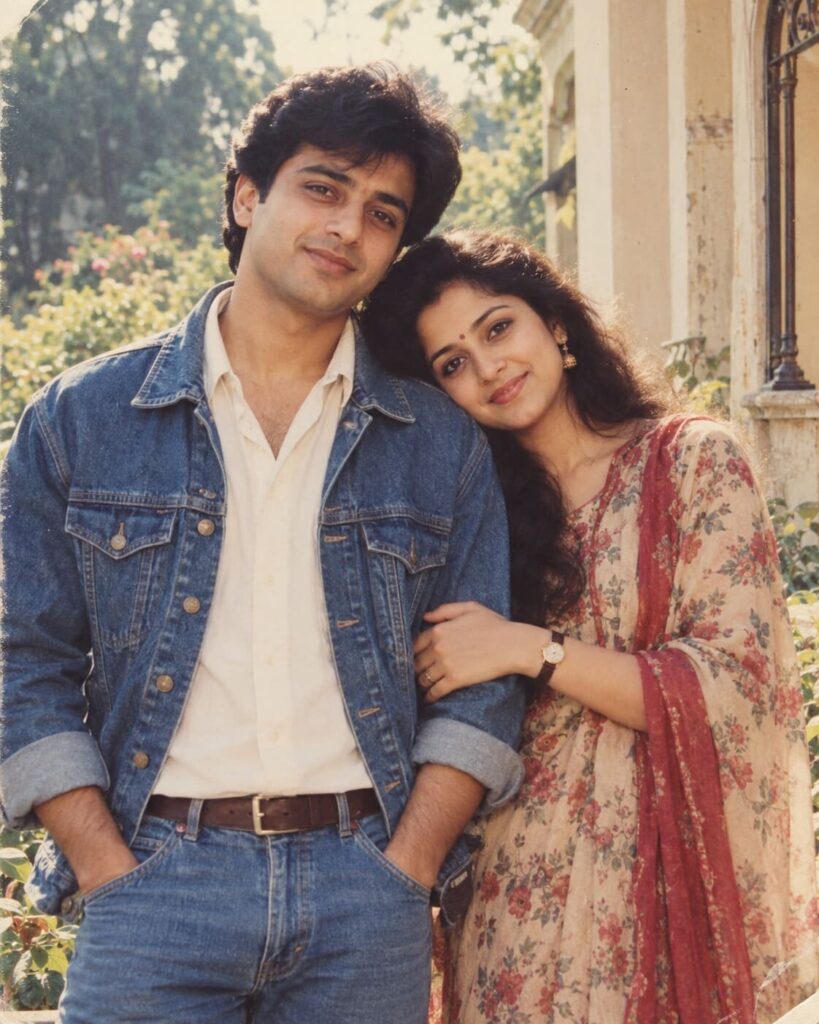
8. 1990’s Romantic Couple Portrait
Create a nostalgic couple photograph with coordinated outfits, natural expressions and the relaxed photographic style of a 1990s album. Use a reference photo of both people if you want to preserve their individual likenesses.
Copy Prompt
Create a photorealistic 1990s romantic couple portrait using the uploaded photo or photos as identity references for both people. Preserve each person’s recognisable facial identity, individual facial features, natural skin tone, age and realistic body proportions. Dress them in understated 1990s-inspired outfits, such as a denim jacket paired with a simple shirt and a modest, elegant dress or traditional outfit appropriate to their preferences. Pose them close together in a relaxed, affectionate moment in a quiet garden or beside an old architectural veranda. Use soft late-afternoon daylight, natural expressions and the slightly imperfect framing of a consumer 35mm film camera. Reproduce subtle analogue grain, mildly faded colours, gentle warmth and the texture of a photograph preserved in a family album. Keep both faces distinct and anatomically natural, with realistic hands and clothing. Do not merge facial features, add extra people or introduce modern accessories. Vertical 4:5 portrait, waist-up composition, candid romantic nostalgia.
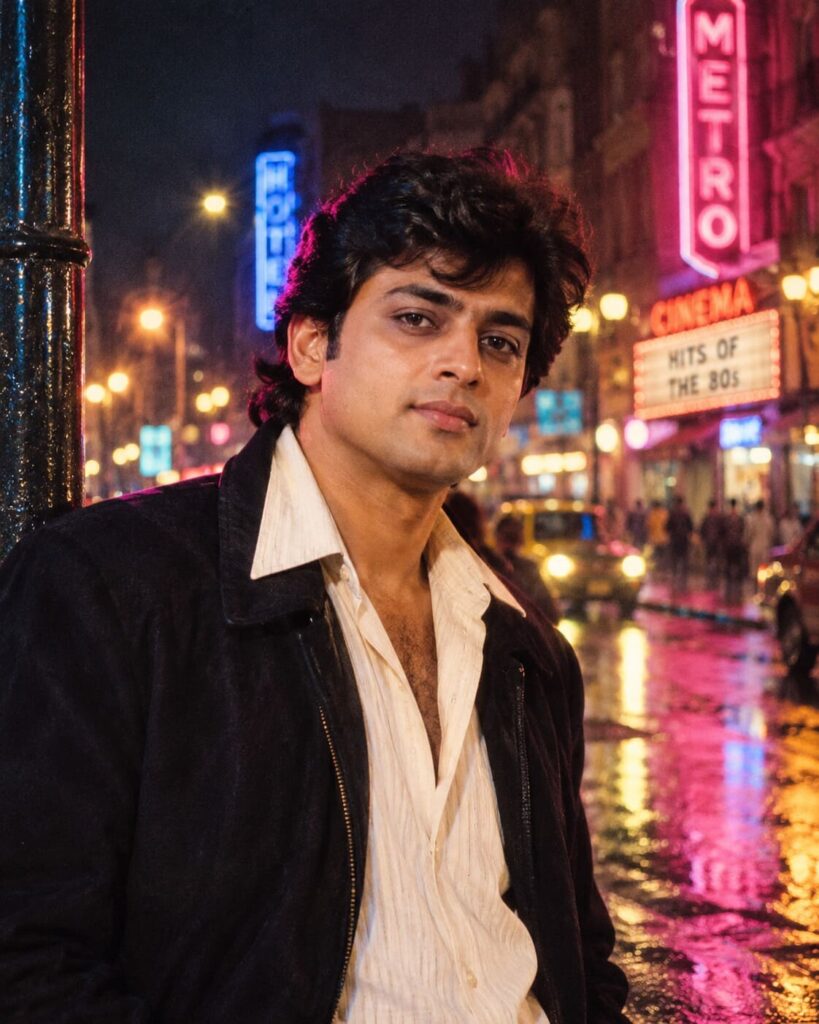
9. 1980’s Neon Night Portrait
For a more dramatic interpretation, recreate a late-night portrait with colourful neon reflections, vintage nightlife styling and the imperfect character of film photography. This is a stylised retro look rather than a claim of documentary accuracy.
Copy Prompt
Transform my uploaded reference photo into a cinematic yet photorealistic late-1980s night portrait. Preserve the subject’s recognisable facial identity, facial proportions, natural skin tone and age. Dress the subject in period-inspired evening fashion with a dark jacket, a wide-collar shirt and understated retro accessories. Place the subject beside a rain-dampened city street illuminated by vintage neon signage in magenta, electric blue and amber. Use reflected light on the pavement, soft background bokeh and a subtle atmosphere of nighttime nostalgia. Light the face naturally with a warm key light and a gentle coloured rim light, preserving realistic skin texture and accurate facial detail. Emulate analogue colour film with fine visible grain, restrained halation around bright signs, slightly imperfect exposure and rich but believable colour. Avoid futuristic cyberpunk architecture, modern vehicles, holograms and excessive artificial glow. Vertical 4:5 portrait, chest-up framing, editorial night photography.
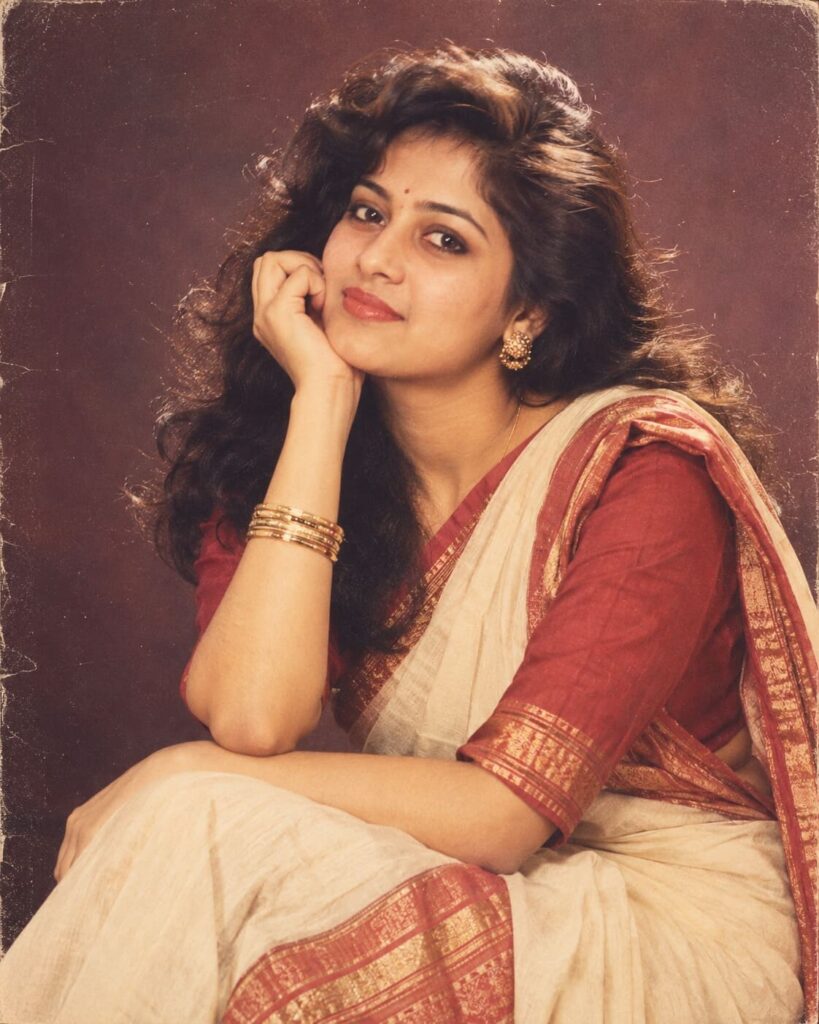
10. 1990’s Vintage Magazine Editorial
Finish with a polished fashion-editorial concept inspired by printed magazines of the 1990s. It combines a confident pose, a simple backdrop and carefully controlled studio lighting with the texture of a scanned print.
Copy Prompt
Reimagine my uploaded reference photo as a high-quality 1990s fashion magazine editorial portrait. Preserve the subject’s recognisable facial identity, facial structure, natural skin tone, age and distinctive features. Style the subject in sophisticated 1990s fashion with a clean tailored silhouette, restrained accessories and a period-appropriate hairstyle. Use a confident but natural pose against a minimal studio backdrop in warm grey or muted burgundy. Employ directional studio lighting with controlled highlights, soft shadow detail and the optical character of a classic portrait lens. Reproduce the appearance of a printed 1990s editorial photograph with fine analogue grain, subtly softened contrast, gently faded colour and a delicate scanned-paper texture. Keep the face and eyes clear, the skin realistic and the clothing detailed. Avoid contemporary editorial effects, excessive retouching, distorted hands and gibberish text. Do not render magazine titles or logos; leave clean negative space for optional typography to be added later. Vertical 4:5 portrait, upper-body composition, sophisticated vintage editorial finish.
How to use these AI retro photo prompts
You can adapt the prompts for compatible image-generation tools that accept text instructions, reference images or image editing. The exact workflow and available controls vary by platform.
- Choose a clear reference photo. Use a well-lit image with visible facial features. Avoid heavy filters, extreme angles and obstructions if preserving likeness matters.
- Select a retro concept. Choose the studio, Bollywood, family-album, college, fashion, street or couple style that best fits your idea.
- Copy the complete prompt. Paste it into your chosen image generator. If the tool supports reference-image uploads, attach your photo before generating.
- Set the composition. Use a 4:5 portrait ratio where available. If the tool does not expose aspect-ratio controls, include the ratio in the prompt and crop the result afterwards.
- Generate and refine. If the result looks too modern, specify more period-appropriate surroundings and less polished lighting. If the face changes too much, reinforce the identity-preservation instructions and reduce unnecessary changes to facial features.
- Check the final image. Review the face, hands, clothing, background details and any generated text before publishing.
What makes a retro AI portrait look convincing?
A successful result depends on more than adding grain. The visual elements should support the same decade and photographic context.
| Element | 1980s-inspired treatment | 1990s-inspired treatment |
|---|---|---|
| Fashion | Structured silhouettes, wide collars, statement accessories | Denim, relaxed layers, simpler casual styling |
| Portrait setting | Painted studio backdrops, formal poses | Home snapshots, campuses, streets and editorials |
| Lighting | Warm studio light, soft glow, dramatic highlights | Direct flash, natural daylight, restrained studio light |
| Colour | Warm tones, rich colours, subtle fading | Muted colours, natural skin tones, consumer-film character |
| Texture | Fine film grain, gentle highlight halation | Film grain, slightly imperfect exposure, print-scan texture |
These are creative starting points, not strict historical rules. Fashion and photography varied across regions, social settings and individual tastes.
Common mistakes to avoid
Using only the words “vintage photo.” The result may look like a modern portrait with a filter. Specify the decade, setting, clothing and photographic technique.
Adding too many effects. Heavy grain, strong scratches, extreme fading and large light leaks can overwhelm the subject. Begin with subtle texture and increase it only when needed.
Mixing incompatible eras. A 1980s outfit paired with modern technology or a distinctly contemporary background can weaken the illusion. Mention important objects that should not appear.
Over-smoothing the face. Ask for natural skin texture, realistic pores and believable lighting rather than flawless, artificial skin.
Expecting perfect identity preservation. Image generators can alter faces, hands and small details. Review each result and try a more conservative edit if needed.
Using generated text as final typography. AI tools may render signs, labels and magazine headlines inaccurately. Leave space for text and add it later in an image editor.
Frequently asked questions
1. Which AI photo prompt is best for an authentic 1980’s look?
Start with the classic studio portrait for a formal vintage look, or the Bollywood-inspired prompt for a more colourful Indian cinematic style. Specify the clothing, backdrop, lighting and analogue film texture.
2. Can I use these prompts with my own photo?
Yes, with an image generator that supports reference images or photo editing. Upload a photograph you own or have permission to use, and include the identity-preservation instructions in the prompt.
3. How do I create a 1990’s family-album effect?
Use an ordinary home setting, relaxed expressions, period-appropriate everyday clothing, gentle flash or window light, mildly faded colours and subtle film grain. Avoid making the image look too polished.
4. Can I use these prompts in ChatGPT or Gemini?
You can try adapting them for image-generation features available in ChatGPT, Gemini or other compatible tools. Results and available reference-image controls may differ between platforms and models.
5. What is the best image ratio for retro portraits?
A 4:5 vertical portrait is a practical choice for Instagram-style posts and portrait galleries. Use a different ratio if your intended platform or layout requires it.
6. How can I preserve my facial identity in an AI-generated retro portrait?
Use a clear reference image and explicitly ask the tool to preserve the person’s recognisable facial features, natural skin tone, age and proportions. Change the clothing, background and lighting rather than unnecessarily redesigning the face. Results may still vary.
7. How do I make an AI photo look old instead of digitally filtered?
Specify a believable photographic situation, consumer film-camera characteristics, subtle grain, gentle colour fading, realistic lighting and slight imperfections. The whole image should feel consistent with the intended decade.
8. Can these prompts create Bengali or other Indian retro portraits?
Yes. The prompts can be adapted with regional clothing, familiar home interiors, local architecture and culturally appropriate accessories. Keep the details specific to the setting you want to recreate.
Final thoughts
The appeal of 80’s and 90’s AI photo prompts lies in their ability to combine personal portraits with the visual character of another era. Whether you prefer a glamorous Bollywood-inspired photograph, a nostalgic Bengali family portrait or a casual 1990’s street-style image, a well-structured prompt gives you a practical starting point.
Choose one of the ten prompts, adapt its styling to your preferences and experiment with subtle changes to lighting, clothing and film texture. Save your favourite results and keep refining the details until the image feels right.
Explore more AI photo prompts on SGPrompts to find inspiration for your next portrait, fashion concept or nostalgic photo transformation.